Drive-Thru Technology in 2026: 7 Ways to Speed Up Service
Speed sells. Modern drive-thru technology decides whether a hungry customer stays in the lane or pulls away to a rival across the road. In 2026, quick-service restaurants treat the drive-thru as their highest-volume counter and engineer it with the same care as the kitchen.
This article walks through the seven upgrades that move cars fastest, from smart timers to voice-clear headsets. We focus on practical wins you can measure this quarter, not gadgets that only look good in a brochure.
Why Drive-Thru Speed Matters More Than Ever
The drive-thru now handles the majority of transactions at many quick-service brands. When lanes stall, revenue leaks car by car, and customers remember the wait long after the fries go cold.
Speed of service also protects your labour budget. A faster lane serves more cars per shift with the same crew, so every second you shave compounds across thousands of daily orders.
The cost of a slow lane
Industry timing studies consistently show that adding just 30 seconds per car can cut peak-hour throughput by dozens of vehicles. Over a month, that gap becomes a serious revenue hole that no menu tweak can fill.
Customer loyalty compounds the effect. A driver who waited too long once will hesitate to return, so a slow lane quietly erodes repeat visits for months. Speed, then, protects both today’s sale and tomorrow’s.
Weather and daypart swings make the problem worse. Lunch rushes and rainy evenings pile cars into the lane precisely when your crew is stretched thinnest, which is exactly when smart technology earns its keep.
What Is the Best Drive-Thru Technology to Start With?
Begin where the friction is loudest. For most operators, that means order accuracy and communication clarity, because a misheard order forces a slow, frustrating correction at the window.
Reliable audio hardware is the foundation. Crisp headsets and noise-cancelling base stations mean staff hear orders the first time, which trims re-confirmations and keeps the line moving.
Core upgrades ranked by impact
- Clear two-way audio — the single biggest accuracy win.
- Digital menu boards — dynamic pricing and legible items reduce hesitation.
- Lane timers — turn every station into a measurable metric.
- Order confirmation screens — customers verify before they pay.
- Predictive prep prompts — start popular items before payment.
- Dual or tandem lanes — double capacity at peak.
- Contactless payment — collapse the pay-window pause.
Comparing Single-Lane and Dual-Lane Setups
Lane design shapes everything downstream. A single lane is simple and cheap, but it caps throughput. A dual or tandem lane splits ordering from fulfilment and can dramatically raise cars-per-hour.
| Factor | Single Lane | Dual / Tandem Lane |
|---|---|---|
| Peak cars per hour | Moderate | High |
| Build cost | Lower | Higher |
| Staffing need | Lean | More positions |
| Order accuracy risk | Low | Needs strong tech |
| Best for | Small sites | High-volume urban sites |
Choose based on your land, your traffic, and your labour supply. Many operators start single-lane and add a tandem merge once demand proves it out.
Site geometry often decides the matter for you. A tight urban plot may only fit a single lane, while a corner location with deep frontage can support a dual setup that unlocks far higher volume during peak dayparts.
Whichever layout you pick, the technology behind it must scale. Timers, audio, and confirmation screens all need to handle your busiest hour without lag, so specify hardware for peak load rather than average traffic.
Integrating queue logic across channels
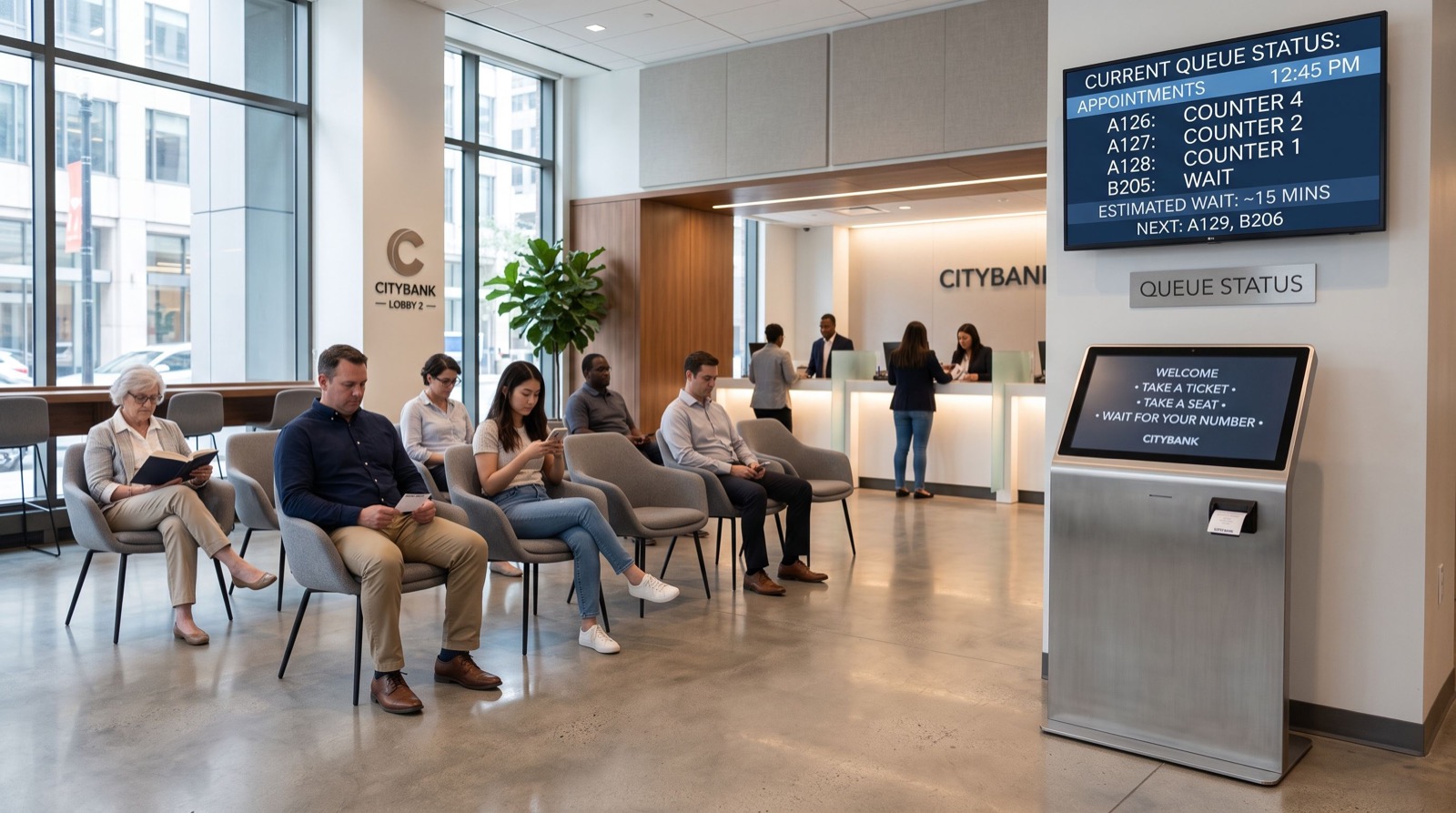
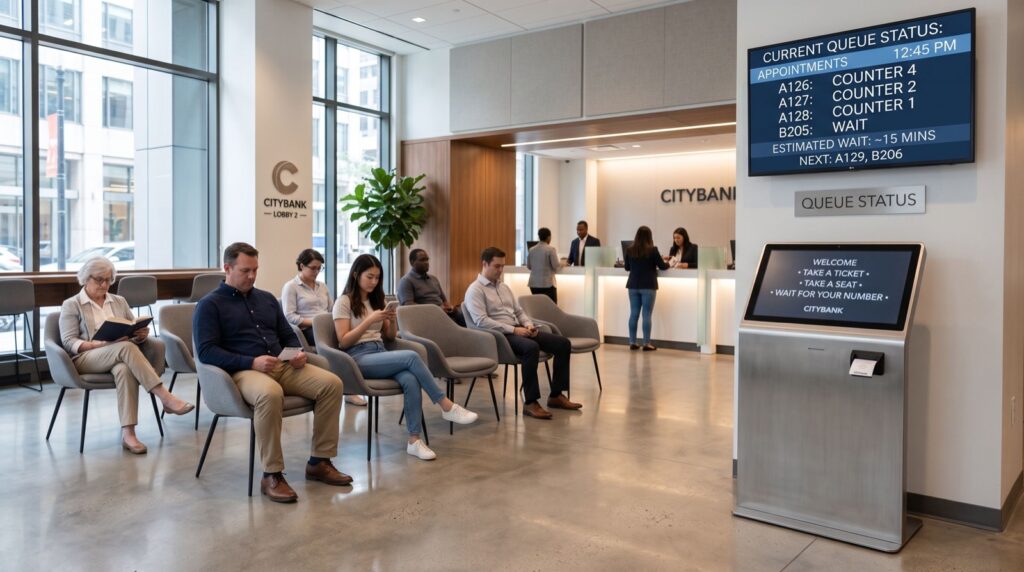
Drive-thru does not live in isolation. The same routing intelligence that powers a queue management system in saudi arabia can balance load between the lane, the counter, and delivery pickup so no single channel chokes during a rush.
Building an Accuracy-First Drive-Thru
Speed without accuracy is a trap. A fast wrong order costs more than a slightly slower right one, because remakes clog the window and sour the customer.
Layer your defences. Confirmation screens let customers catch errors early, while headset clarity stops mistakes at the source. Together they lift both speed and satisfaction.
Field-tested tips
- Position the order-taker where engine noise is lowest.
- Standardise greeting and confirmation scripts across shifts.
- Audit headset batteries weekly to avoid mid-rush dropouts.
- Review lane-timer data daily and coach to the numbers.
One practical insight from busy sites: assigning a dedicated “expeditor” during peak hours often beats buying new hardware, because a human traffic controller smooths handoffs the software cannot see.
Data closes the loop. Pair your accuracy scripts with lane-timer reports and you can pinpoint exactly which station or shift drags the numbers down, then coach that specific gap instead of guessing.
Choosing the Right Hardware Partner
The equipment market is crowded, so pick a partner with proven quick-service deployments and strong after-sales support. Downtime at the window is downtime you cannot recover.
Purpose-built platforms such as PAR Drive Thru solutions bundle timers, audio, and analytics into one supported stack, which spares you the pain of stitching mismatched vendors together.
For installation and ongoing maintenance, lean on reliable local experts who can reach your site quickly when a headset base or menu board needs attention.
The U.S. FDA Food Code reminds operators that speed must never compromise safe food handling — the fastest lane still follows temperature and hygiene rules at every step.
Frequently Asked Questions
How much can drive-thru technology reduce wait times?
Results vary by site, but combining clear audio, lane timers, and confirmation screens commonly trims 20 to 40 seconds per car. Across a busy shift, that adds up to many extra vehicles served.
Is dual-lane always better than single-lane?
Not always. Dual lanes shine at high-volume urban sites but add cost and staffing. Smaller locations often get better returns from upgrading audio and timers on a single lane first.
Can drive-thru tech connect to my existing POS?
Yes. Most 2026 systems offer integrations or APIs that link timers, menu boards, and order screens directly to your point-of-sale, giving one unified view of speed and sales.
What maintenance does the equipment need?
Plan for weekly battery checks on headsets, periodic firmware updates, and an annual audio calibration. A supportive vendor handles most of this remotely or on a scheduled visit.
Conclusion
Great drive-thru technology blends clear communication, smart lane design, and measurable timers into one fast, accurate experience. In 2026 the brands that win the lane win the neighbourhood.
Treat the lane as a system, not a set of gadgets. When audio, timers, menu boards, and payment all work together, the compound effect is far greater than any single upgrade on its own.
Audit your slowest station, fix accuracy first, then scale capacity. Ready to speed up your lane? Book a consultation and turn every car into a faster, more profitable sale.